Most players hear the same recycled advice about roulette, but the real edge comes from watching how floor staff actually manage the game and the table around them. I have spent fifteen years balancing gaming mathematics with live production, and when I listen to croupiers talk through their shifts, a different pattern emerges. This piece gathers roulette tips from croupiers into a practical read for adults playing legally inside Australia, with a clear focus on how the table behaves under real pressure. If you are looking for a lucky elf no deposit bonus 2023, treat it as a separate conversation from the maths on the felt.
What floor staff actually watch
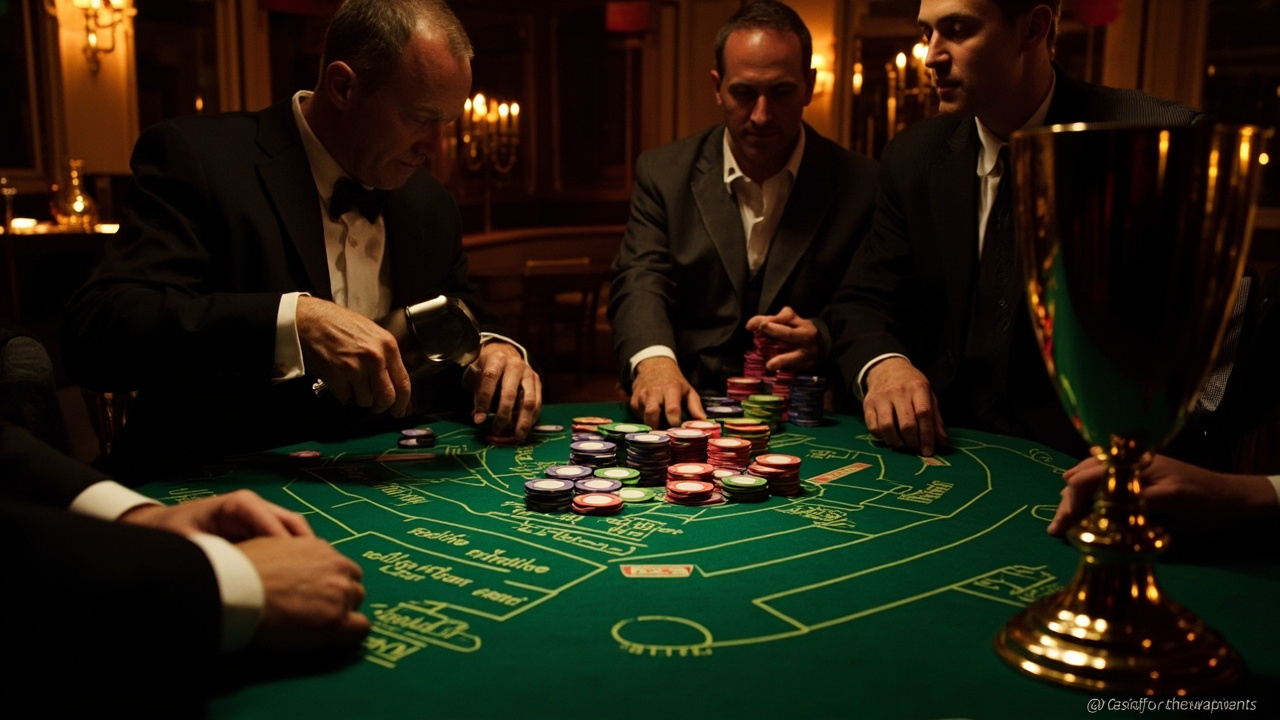
Croupiers do not sit around hoping a number repeats; they read the rhythm of the wheel, the way the ball lands, and how the table settles after a busy arvo. The first practical shift is to stop chasing hot streaks and start noticing the table’s tempo. A wheel does not care about your bankroll, and neither does the dealer, so the smartest move is to pick a pace that matches your own tolerance for variance. I have trained musicians through honours-level jazz, and the same discipline applies: you do not improvise over every bar, you wait for the changes you can actually play. On a roulette table that means choosing a bet structure you can hold for a session, not a flurry of chips you will burn through before the first ten spins finish. lucky elf no deposit bonus 2023
The second croupier habit is far more mundane but far more useful: watch the layout, not the last result. A dealer will tell you that most players overbet on single numbers because the payoff looks seductive, yet the house edge stays fixed regardless of how the chips are arranged. If you want a steadier session, stick to the outside bets where the win frequency is higher and the swings are less violent. That is not a promise of profit; it is simply a way to keep the game readable. I have run production schedules where a single rushed decision ruined an entire evening, and roulette behaves the same way when you treat every spin as a separate emergency instead of one long set.
How the table changes under pressure
Reading the wheel and the dealer’s rhythm
A croupier’s best tip is usually about attention, not selection. When a wheel is running cleanly and the ball is dropping consistently, the table feels settled; when the same wheel starts producing erratic bounces, the dealer will slow the pace and reset the mood. You can use that cue. If the dealer is calling numbers steadily and the ball is landing in a predictable arc, the session is easier to read. If the ball is skidding and the calls are rushed, the table is telling you to tighten your bet size rather than chase a pattern that does not exist. I have heard players swear a number is due because it has not appeared in twenty spins, which is exactly the kind of thinking that burns through a bankroll. The wheel has no memory, and the croupier knows it better than anyone.
Chip management and the bets that waste money
The most consistent croupier advice is about money management, and it starts with the bets that quietly drain a session. A lot of players drift toward single-number plays and side bets because the payoffs look generous, but the maths on those wagers is unforgiving. Think of the big red bet in craps, which wins on any 7 and is a poor wager; roulette has its own equivalents where the excitement is high and the expected return is worse than the simple outside bets. A practical approach is to set a session limit in Australian dollars, mark it in your head or on paper, and treat it like a setlist that ends when the music stops. Outside bets will not turn the table, but they keep the game readable and the swings manageable. If you are playing on a mobile layout, the same discipline applies: the screen does not change the maths, and a cluttered interface can make it easier to overbet without noticing. Practical Roulette Tips For Australian Players
What this means for your session
The real value of roulette tips from croupiers is that they pull your focus back to the parts of the game you can actually influence: pace, bet size, and which wagers you are willing to live with. That is the same judgement call I make when I review an interface for everyday usability, because a clean layout and sensible navigation matter more than flashy promises. A good table experience should let you read the bets, switch between inside and outside plays without fuss, and keep your currency in Australian dollars so you are not doing mental conversions mid-spin. Localisation matters here too, because a site that speaks your language and shows the right denominations is easier to play calmly. If you want a deeper run-through of practical roulette tips for Australian players, there is a related read that walks through the same kind of table discipline from a slightly different angle.
Tasmania and the Northern Territory permitted pokies under their own rules, which is a reminder that each jurisdiction handles its own machines and tables differently, so the exact experience can vary depending on where you are and what is legally available to you. None of that changes the roulette maths, but it does mean you should treat every venue and platform on its own terms rather than assuming one setup fits all. A sensible session is built around a limit you can afford, a bet structure you understand, and the patience to leave when the tempo turns against you. That is the closest thing to an edge a croupier will ever hand you, and it is defo the most honest one on the floor.